
Buy Ammo by the Case and Save Big on Bulk Rifle and Pistol Rounds
Ever wonder why shooters stock up on ammo by the case instead of grabbing a few boxes off the shelf? Buying by the case means you get a sealed, bulk shipment—typically 500 to 1,000 rounds—delivered straight to your door, saving you both money per round and the hassle of frequent store runs. You simply open the case, load your magazines or ammo cans, and you’ve got a solid reserve for range days, competition practice, or just consistent plinking without ever running dry mid-session. Ammo by the case turns a casual hobby into a “grab-and-go” routine, so you’re always ready to shoot when the mood strikes.
Why Buying Bulk Ammunition Saves You More Than Just Money
Buying ammo by the case saves you more than just money—it saves your training consistency. When you grab a single box at the range, you’re constantly rationing rounds, which breaks your focus and slows skill development. A case means you can burn through hundreds of rounds in one session without the nagging thought of “I need to save the rest.” That uninterrupted practice builds muscle memory faster. Plus, you eliminate those last-minute panic runs to the store before a match or hunt—a case sitting in your safe is specialty sports and supply instant peace of mind. It also saves your wallet’s sanity by locking in a lower per-round price. Q: Why buy a case instead of a few boxes? A: Because the per-round cost drops, but the real win is never having to cut a practice session short again.
Breaking Down the True Cost-Per-Round Advantage of Case Quantities
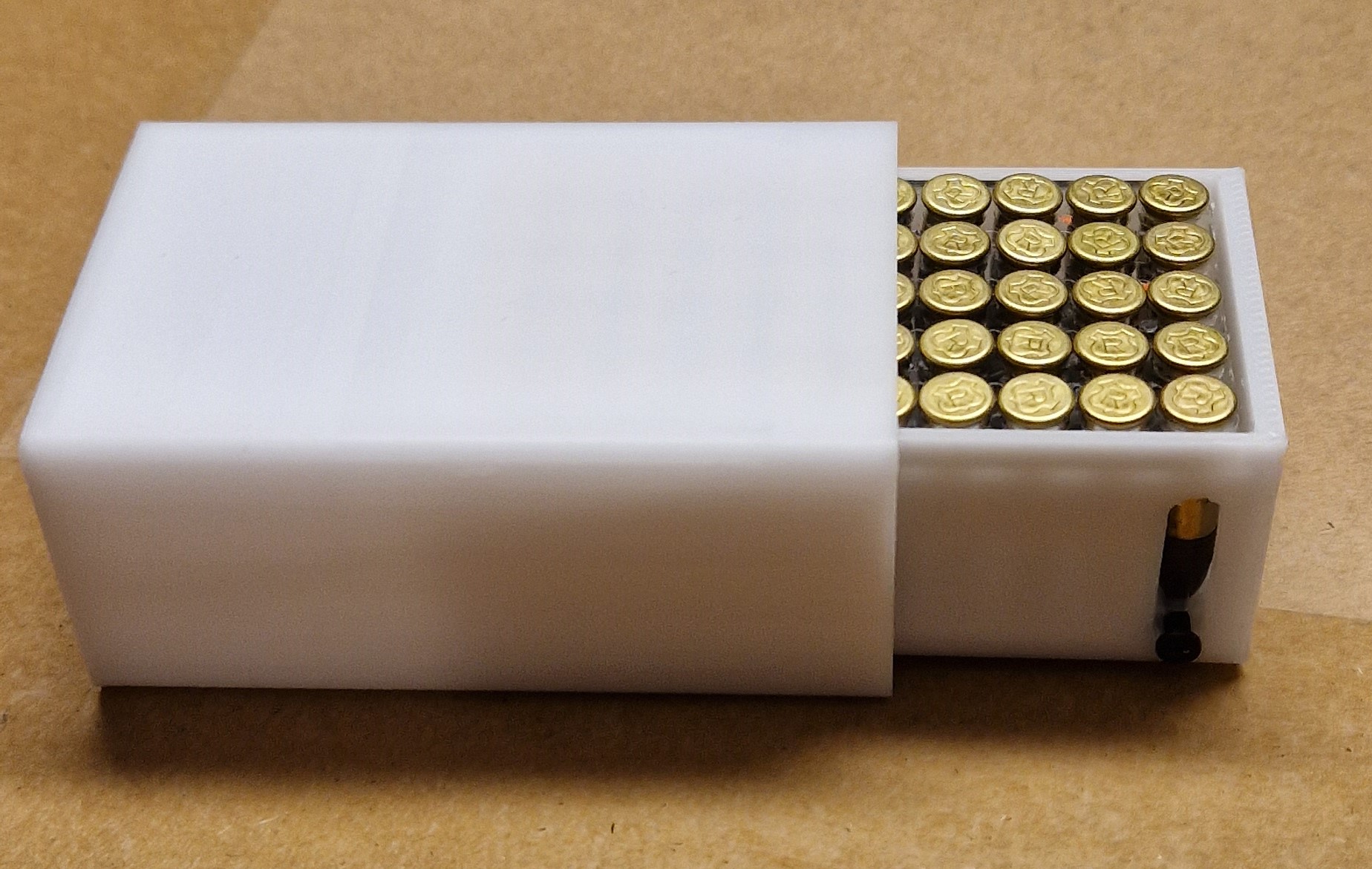
The true cost-per-round advantage of case quantities emerges when you calculate the price break at 500 or 1,000 rounds, where per-unit savings often range from 10 to 25 percent compared to individual boxes. This advantage compounds because shipping costs are amortized across a heavier, single shipment rather than multiple small deliveries. To realize the full benefit, divide the total case price—including freight and any taxes—by the exact round count; this true cost-per-round calculation reveals what you actually pay, not the sticker price. The sequence follows: compare per-box pricing, then apply the case discount, then add flat shipping, then divide by total rounds. Only this final figure tells you whether the bulk buy genuinely saves money per trigger pull.
How Shipping Fees and Per-Box Markups Inflate What You Pay at Retail
Retailers rarely absorb freight costs, so that shelf price silently bundles shipping fees and per-box markups you never see itemized. When you buy individual boxes, each one carries a slice of the store’s inbound freight, plus a fixed handling profit that multiplies the moment you need multiple boxes. A single case, by contrast, spreads those shipping fees across dozens of rounds instead of stacking them onto just twenty cartridges. Per-box markups inflate your true cost per round because margin is added to every SKU, not to the whole shipment, so four separate boxes can cost more than one sealed case even before you factor delivery. Buying by the case eliminates that repeated upcharge and compresses shipping into one flat transaction, 9.3x72R Ammo for Sale letting you pay for ammunition rather than packaging overhead. Choose the case, and you cut the hidden fees layered into every retail box.
What the «Per-Case» Price Actually Includes (and What It Doesn’t)
The advertised per-case price typically covers the ammunition itself, the factory cardboard or polymer box, and standard shipping to a single address. It includes no handling fees, fuel surcharges, or insurance beyond the carrier’s base liability. Crucially, the per-case number does not include applicable Ammunition for Sale sales tax, which is calculated at checkout, nor any import duties if you’re buying from abroad. Also excluded are aftermarket dividers, resealable ammo cans, or custom foam inserts—those are separate accessories. What you see is the bare cost for the rounds and their transit container; hidden fees often appear only at final checkout. Always verify the total before payment, as “case price” never guarantees a locked-in freight charge.
Q: What does the per-case price actually include for shipping damage?
A: It includes only the carrier’s basic liability—typically replacement value up to a low cap. It does not include expedited re-shipment, drop-box pickup, or signature-required delivery upgrades. If the case is damaged, you must file a claim with the seller, and the per-case price covers neither your time nor any repackaging labor.
Key Factors to Evaluate Before Committing to a Full Case Purchase
Before buying ammo by the case, confirm your firearm’s specific cartridge and twist-rate requirements, since a case locks you into one load. Calculate your actual monthly consumption—if you shoot under 200 rounds, a case’s bulk savings evaporate through storage degradation and tied-up cash. Inspect the primer and powder type: sealed primers and non-corrosive components matter for long-term shelf life, while reloadable brass adds value only if you already reload. Check the lot number and ask the retailer if you can return or exchange a defective case—most won’t. Finally, compare cost per round against two or three box purchases including shipping, not just the sticker price. Q: Is a full case worth it for a low-volume shooter? A: Rarely, unless the per-round price drops below 15% of box pricing and you’ll finish it within 18 months.
Matching Bullet Grain Weight and Load Type to Your Specific Firearm
Before committing to a full case, verify that the bullet grain weight and load type match your firearm’s barrel twist rate and intended purpose. A 1:7 twist may stabilize 62–77 grain projectiles, while a 1:12 twist prefers lighter 55 grain loads—wrong pairing causes keyholing or poor accuracy. For bulk purchases, test a few boxes first: a defensive case should replicate your carry ammo’s point of impact, whereas a training case can shift to cheaper full metal jacket loads without altering function. Always confirm pressure ratings (e.g., +P) suit your gun’s design. A case of mismatched ammo is wasted investment.

Matching bullet weight and load type to your firearm ensures stability, accuracy, and reliable function—test before mass-buying.
Understanding Brass, Steel, and Aluminum Casings: Which One Works for Your Range Day
When buying ammo by the case, your casing choice directly impacts your range day experience. Understanding brass, steel, and aluminum casings starts with brass—it’s the most reliable for reloading and expands to seal chambers cleanly, making it ideal for extended sessions. Steel, often polymer-coated, is cheaper but can wear extractors faster and is non-reloadable; it’s fine for quick, high-volume drills. Aluminum sits between, offering light weight and rust resistance, but it’s one-time-use and can stick in hot chambers. For a full case, pick based on your priorities:
- Brass if you plan to reload or want maximum reliability.
- Steel for budget plinking where case life doesn’t matter.
- Aluminum for casual shooting in clean, dry conditions.
Your rifle’s tolerance for harder primers will dictate whether steel runs flawlessly or frustrates you mid-magazine. Match the casing to your firearm’s quirks before committing 6mm Remington Ammo for Sale to hundreds of rounds.
How to Verify Lot Numbers and Headstamps for Consistency Across All 500 or 1,000 Rounds
Before buying a full case, physically inspect the sealed cartons or box flaps for a printed lot number on each individual box, not just the outer case label. Request the distributor to confirm all boxes share an identical lot; if mixed lots appear, reject the case. Verify headstamps by fanning out the cartridge bases—every round must display the same manufacturer code, caliber, and primer stamp. A magnifying loupe helps spot subtle differences in font depth or stamp alignment. Cross-reference the lot number against the headstamp; a mismatch indicates repackaged or remanufactured ammo. Sample ten rounds from different corners of the case to ensure uniformity before committing to the full 500 or 1,000. Even minor headstamp variance can signal pressure differences that affect zero consistency.

Smart Storage and Rotation Methods to Keep Your Bulk Stock Reliable
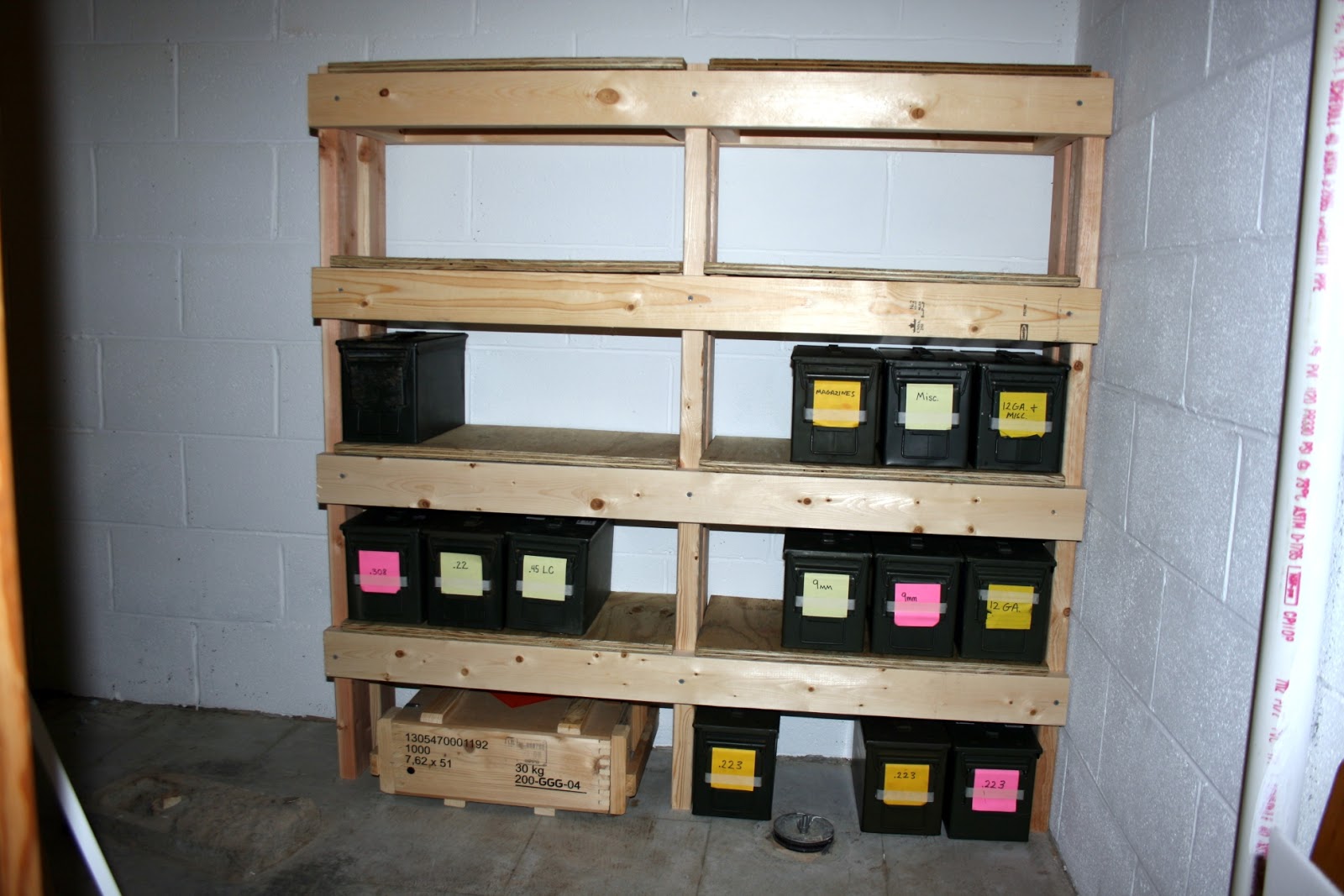
For ammo by the case, reliability starts with **sealing each case’s inner plastic bag** after opening, then storing cases off concrete on pallets or shelving to prevent moisture wicking. Rotate by labeling every case with the purchase month and using a «first-in, first-out» stack—place new cases behind older ones so you always shoot the oldest first. Avoid attic or garage extremes; a stable 60–70°F closet or basement corner works. Every six months, flip cases end-over-end to redistribute propellant and primer contact, and spot-check for discolored brass or loose primers. Use desiccant packs inside each case lid, but never vacuum-seal ammo—air pressure changes can crack sealants. Q: How do you track rotation without spreadsheets? A: Write the date in large marker on the case’s end flap and always grab 9×18 Makarov Ammo for Sale the oldest visible date first.
Using Ammo Cans with Desiccant Packs to Prevent Corrosion and Moisture Damage
For case-level purchases, sealing rounds in ammo cans with desiccant packs directly controls the micro-environment around primers and powder. A gasketed metal can blocks atmospheric humidity, but the trapped air still holds moisture; adding silica gel desiccant actively lowers that internal dew point, preventing condensation when temperatures fluctuate. This matters most for bulk stock stored long-term, where a single humid week can initiate corrosion on brass cases and steel lacquers. Recharge the desiccant periodically—oven-dry at 250°F until the indicator changes—and replace it if the can’s interior feels damp. For maximum effect, fill void space with packing paper before sealing, reducing the air volume the desiccant must dry.
Labeling Your Cases by Purchase Date and Caliber to Avoid Mixing Batches
When you buy ammo by the case, labeling each case with the purchase date and caliber prevents costly batch confusion. Write the date directly on the lid with a permanent marker or adhesive label before stacking, ensuring older stock is rotated first. Record the caliber prominently to avoid grabbing the wrong case during a range trip or emergency. This habit also helps you track lot numbers for consistent performance across identical loads. Without labels, mixed batches become unidentifiable, forcing guesswork about age and compatibility. A simple labeling routine takes seconds but eliminates the risk of shooting stale or mismatched ammunition.
- Use a waterproof marker 7mm Rem Ultra Mag Ammo for Sale for durable, smudge-proof labels on plastic or cardboard cases.
- Add the purchase month and year—not just the year—to manage 6-month or 12-month 9mm Ammo for Sale rotation cycles accurately.
- Print the caliber in large letters on the case side, not just the top, for quick identification when cases are stacked.
- Include the lot number if available, allowing you to isolate and test one batch before relying on the rest.
How to Rotate Your Stockpile So Older Rounds Get Used First Without Waste
When you buy ammo by the case, the cardboard box becomes your rotation unit—write the purchase month on the lid with a bold marker and stack new cases behind old ones on the shelf. Each range trip, pull from the front of the stack and grab only the oldest dated case, then refill your mags from that same case until it’s empty before cracking the next seal. Avoid mixing loose rounds from different dates into one can; keep each case intact so you track usage visually. Every 3–4 months, physically flip the stacks so gravity and habit don’t trap stale boxes in the back, and use the nearing-expiry cases for high-volume practice days, not precision matches.
Date every case, stack new behind old, and pull exclusively from the front case until it’s dry—this guarantees older rounds cycle out first with zero leftover waste.
Practical Tips for Breaking Down and Handling a Sealed Case
The cardboard lid on a sealed ammo case resists prying, so slide a flathead screwdriver under the tape seam and run it along the entire edge—this preserves the box for future storage. Tilt the case slightly before cutting the inner vacuum bag to avoid pellets spilling like a slot machine. Once opened, transfer loose rounds into a dedicated ammo can, but keep the original cardboard tray for range-day transport. Always lift a sealed case from the bottom, not the handle, since the staple lines can snap under 30 pounds of brass. Q: How do you avoid cracking the polystyrene insert? A: Peel the tape away from the hinge side, then rock the lid forward—never twist it sideways, or the foam dividers fracture.
Step-by-Step: Opening Cardboard Casings Without Damaging the Inner Trays
Lay the sealed case flat so the factory-sealed top flap faces upward, then run a sharp utility knife along the tape seam—never plunge the blade deeper than the corrugated layer. Peel the outer flaps back fully before lifting the inner tray stack; this prevents the cardboard edges from scraping the tray rims. Use both hands to grip the tray ends, not the center, and tilt the stack slightly to break the static grip against the box floor. If the tray is stuck, slide a thin plastic spatula between the tray and the box wall, not a screwdriver, to avoid crushing the cardboard dividers. Finally, remove the cardboard spacer sheets one at a time, bending them at their pre-scored fold lines, so the ammo retains its original, factory-stable arrangement. Opening cardboard casings without damaging the inner trays hinges on slow, shallow cuts and lifting, not prying.
Efficient Ways to Transfer Loose Rounds into Magazines, Speedloaders, or Stripper Clips
After cracking a sealed case, don’t hand-load each round one at a time—that’s a wrist-breaker. For magazines, use a universal mag loader or a thumb-saver like the Maglula; dump loose rounds into the tray and press down in one motion. For speedloaders, align the case rim with the holes, then use a quick “twist-and-push” to seat all cartridges simultaneously. Stripper clips work best if you hold them base-down over the mag and press with your thumb’s flat side, not the tip. Pre-fill clips while watching TV, then load a full 30-round mag in under ten seconds. Keep a small funnel nearby to pour loose rounds directly into an open loader tray without spilling.
Speed up case-to-mag transfer with loaders, pre-filled stripper clips, and a funnel—skip the pinch-and-push tedium.
What to Do With the Empty Case Box: Reuse Ideas for Range Transport and Storage
Once the last round is fired, don’t toss that sturdy crate—it’s your best **portable ammo transport system**. Reinforce the corners with duct tape and add a simple rope handle to convert it into a rugged range tote for loose magazines, targets, or cleaning gear. Use the internal dividers to segregate spent brass from live rounds in separate labeled bags. For storage, stack empty cases in a dry garage or closet to hold bulky hearing protection, shooting rests, or even as a dedicated organizer for reloading dies. A case that survived shipping will easily survive your car trunk’s worst jostling. Slide labels into a clear pouch on the lid to identify contents at a glance.
Can an empty case box be modified for wet range days? Yes—line it with a heavy-duty contractor bag and add a small desiccant pack; the cardboard’s natural insulation keeps humidity from condensing on your gear.
Essential Caliber-Specific Considerations When Ordering in Bulk
When you’re stacking ammo by the case, caliber forces you to think differently about weight and storage. A case of 9mm is manageable to haul, but the same round count in .308 Winchester will wreck your back and eat your shelf space—so plan your physical layout before you commit. Ballistic variety matters just as much as count: ordering a case of .223 Remington means deciding between 55-grain varmint loads and 62-grain green-tip, and that choice affects everything from your zero to your backstop. For magnum revolver calibers like .357 Magnum or .44 Magnum, bulk cases often mix bullet weights, so check the lot’s headstamp consistency if you care about repeatable accuracy. Don’t assume a case of .22 LR will behave uniformly—batch-to-batch velocity swings are normal, but they’ll change your sight picture if you’re practicing at distance. Finally, shotgun gauges in bulk cases demand you confirm shell length (2¾ vs. 3″) *and* shot size before buying, because a case of #8s won’t do you any favors for slugs. Always match your bulk caliber to the gun you’ll shoot most, not the best per-round price.
Why 9mm and .223/5.56 Cases Offer the Best Bulk Value for High-Volume Shooters
For high-volume shooters, cases of 9mm and .223/5.56 deliver the best bulk value because their sheer market volume forces per-round prices to rock-bottom levels, especially with steel-case imports or brass surplus. You get more trigger time per dollar than with any pistol caliber like .40 S&W or rifle round like .308. 7mm Rem Mag Ammo for Sale Additionally, their ubiquity means bulk orders rotate quickly, so you rarely get stale or corroded stock. The practical savings follow a clear hierarchy:
- Buy full cases of 9mm for affordable handgun practice and defensive shooting drills.
- Stack .223/5.56 cases in the same order to maximize rifle range time.
- Reserve savings for barrel 9.3x62mm Mauser Ammo for Sale wear, since both calibers are easier on parts than magnums.
No other pairing matches this cost-per-round efficiency, making them the undisputed backbone of serious bulk ammo planning.
Managing Recoil and Barrel Wear When Buying Heavy .45 ACP or .308 Cases
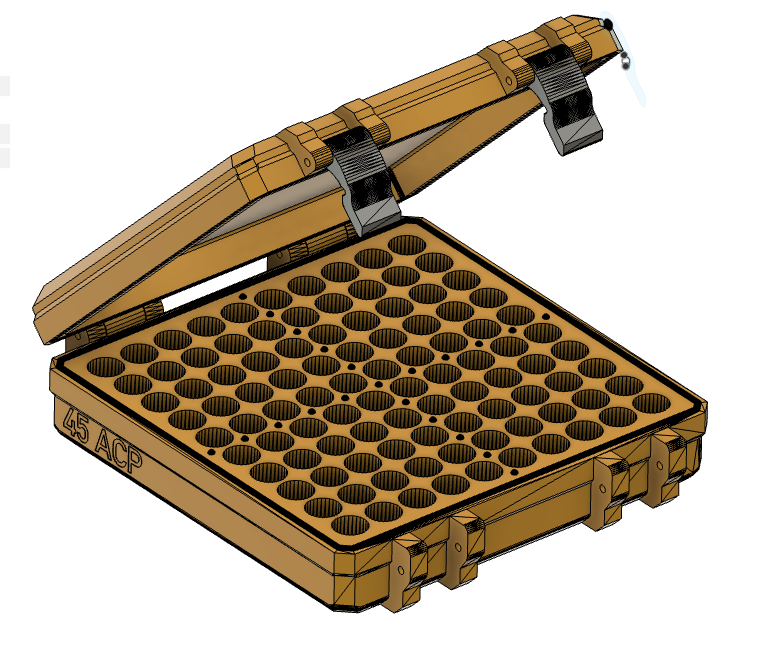
When buying heavy .45 ACP or .308 loads by the case, you’re committing to a high-round-count diet of punishing thrust, so plan for recoil and barrel wear before the first mag. Heavy bullets generate slower pressure curves, but the peak bolt thrust and muzzle flip can accelerate frame battering on polymer guns and erode throats faster in rifles. Rotate multiple cases between sessions to distribute heat and stress, and inspect your barrel’s forcing cone after every 500 rounds. Strategic case lot splitting lets you dedicate one batch .50 Cal Ammo for Sale to suppressed or bench shooting, reducing punishment on your primary rig. Matching heavy loads to a heavier spring or muzzle brake isn’t optional—it’s the difference between a 10,000-round barrel and a 3,000-round one.
- Alternate between two identical cases to let barrels cool and recoil springs reset.
- Use a bore scope to check for throat erosion at the case-mouth junction every 1,000 rounds.
- Buy one partial case first to test pressure signs before ordering the full bulk lot.
How to Spot Bulk-Pack Deals on Less Common Calibers Like .380 or .40 S&W
To spot bulk-pack deals on less common calibers like .380 or .40 S&W, compare the per-round price against the current market average for that specific cartridge, not against 9mm or .223. Because these calibers move slower, retailers often discount full cases of 500 to 1,000 rounds to free up warehouse space, so check the per-case price first, then divide by the count to reveal true savings over smaller 50-round boxes. Look for “flat-rate shipping” offers on cases, as this disproportionately benefits heavier, less-common calibers where freight costs can erase the discount. Finally, scan the “clearance” or “overstock” sections of major ammo sites—these frequently list odd-lot .380 and .40 S&W cases that are cheaper simply because the lot was discontinued or the packaging changed.
Compare per-round cost against that caliber’s own average, focus on case sizes (500+ rounds), check flat-shipping terms, and scan clearance sections to catch the best bulk-pack deals on .380 and .40 S&W.